Real-world asset tokenization is moving beyond theory as stocks, Treasuries, commodities, private credit and other traditional assets increasingly migrate onto blockchain rails. Citrini Research argues that this shift could finally give public blockchains a clearer role in mainstream finance. The harder question is no longer whether tokenization can happen, but who captures the revenue once it does.
XRPL Shows What Institutional Tokenization Can Look Like
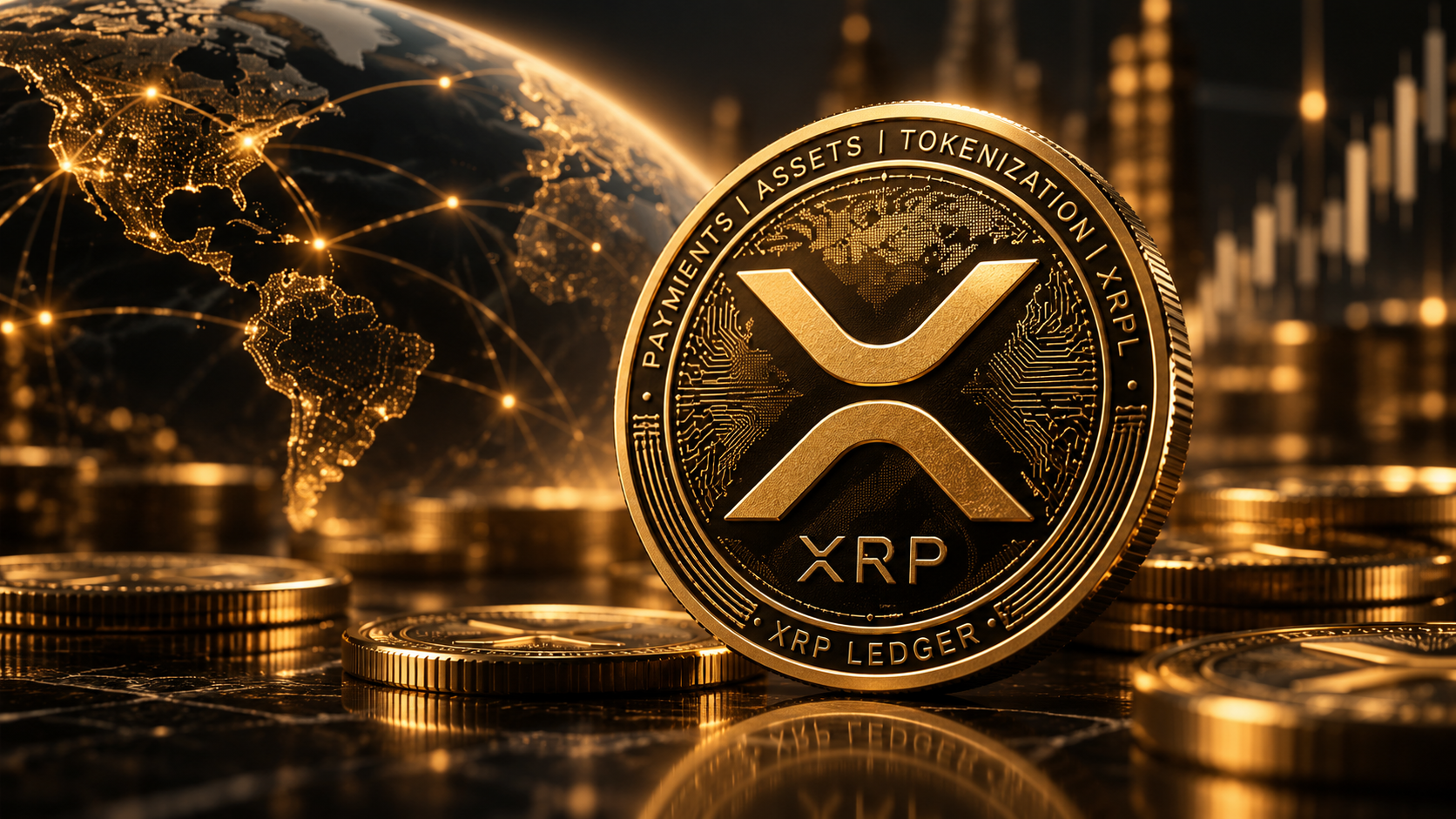
The XRP Ledger is one example of that transition. Recent reporting estimates that XRPL now hosts billions of dollars in tokenized real-world assets, with commodities representing a large share alongside stablecoins, credit instruments and U.S. Treasury exposure.
Institutional participation is also becoming more concrete. Aviva Investors announced plans to work with Ripple on tokenizing traditional fund structures on XRPL, while Brazil’s CSD BR has begun using the ledger as an additional layer for recording and auditing financial assets in a live market environment.
Tokenization Growth Does Not Automatically Mean Network Profits
This is where the investment story becomes more complicated. Moving a large amount of assets onto a blockchain can make that network look increasingly important, but it does not automatically mean the network itself captures substantial revenue.
Citrini’s argument centers on the possibility that the biggest winners could instead be companies and platforms involved in issuance, distribution, trading, custody, lending and settlement. In other words, the most valuable part of the stack may not be the blockchain where the asset is recorded.
TradingYADA Note: Tokenized Assets and Revenue Are Not the Same Thing
A rising total of tokenized assets can be an important sign of adoption, but assets onchain should not be confused with revenue generated by the chain.
A network may host billions of dollars in tokenized securities while charging extremely low transaction fees. Meanwhile, brokers, exchanges, custodians, lending platforms and asset managers may generate recurring income around those same assets.
For traders and investors, that means RWA growth should be evaluated alongside who earns fees, who controls distribution, where liquidity concentrates and what activity happens after tokenization. The asset count tells you what has moved onchain. It does not tell you who is monetizing it.
The Bigger Opportunity May Come After Tokenization
That distinction becomes even more important as tokenized assets begin interacting with broader financial infrastructure. Ripple, for example, has emphasized that simply putting an asset onchain is only part of the process. Lending, collateralization and access to liquidity are the layers that begin to make tokenized assets function more like traditional capital markets.
Recent moves show that direction clearly. Standard Chartered has added institutional custody support for Ripple USD on XRPL, while Ripple has also launched institutional RWA perpetual swaps linked to more than 100 reference markets spanning equities, ETFs, metals, energy and FX.
Tokenization May Be the Beginning, Not the Business Model
The growth of tokenized real-world assets increasingly looks like a structural change rather than a temporary crypto narrative. But the investment opportunity is unlikely to be as simple as identifying which chain hosts the most assets.
The larger question is where revenue accumulates once tokenized assets begin trading, settling, borrowing, lending and serving as collateral. That is where the next phase of the RWA story may ultimately be decided.